When we talk about organizing business finances, sometimes people immediately think about taxes, bookkeeping, or hiring an accountant. And yes, those things are important, but organizing your finances is also about understanding what is actually happening inside your business.
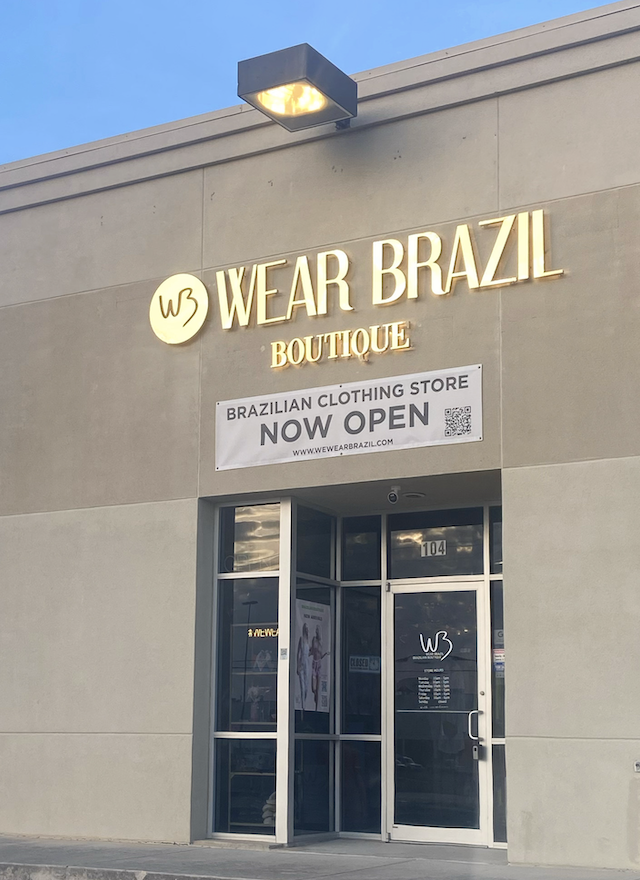
When I had my retail business, one thing we did very well was keeping our business finances organized and separated from our personal finances.
We had a business bank account, and our business expenses were separated from our personal expenses. We also kept folders with our business documents, expenses, receipts, contracts, and records of what the business was spending.
And this wasn’t only for tax purposes.
I wanted to know how much it actually cost us to operate the business.
Because when you know your operational costs, you can start asking better questions:
Where are we spending too much?
What are we paying for that we don’t really need anymore?
What expenses can we reduce?
What is actually helping the business grow?
And most importantly, are we actually profitable?
Over the years, as the business grew, I started noticing something interesting: our operational costs were actually going down in certain areas while the business continued doing well.
That happened because we were learning.
We knew the business better. We knew what we needed, what we didn’t need, where we could cut costs, and where it actually made sense to invest money.
You can’t really do that if you don’t know where your money is going.
Separate Your Business Money From Your Personal Money
If there is one thing I would strongly recommend, it is this: separate your business finances from your personal finances.
Have a separate business bank account.
Your business money should not just become your personal spending money every time a sale comes in.
When everything is mixed together, it becomes much harder to look at your account and understand what the business is actually making.
Let’s say you made $8,000 in sales this month.
Great.
But how much did you spend to make those $8,000?
How much went toward inventory? Advertising? Software? Rent? Packaging? Merchant fees? Website expenses? Supplies?
And after everything was paid, how much did the business actually keep?
That’s the number you need to understand.
Separating your finances gives you a much better picture of the profitability and financial health of your business.
Keep Records — Not Just for Taxes
We kept records of basically every expense the business had.
Again, this wasn’t something we only did because eventually we would need information for taxes. I wanted to be able to track our operational costs.
I believe business owners need to know their numbers.
You don’t necessarily need to know every number from the top of your head, and you certainly don’t need to become an accountant, but you should be able to understand what it costs to run your business.
If something suddenly becomes more expensive, you should be able to notice it.
If you’re paying for subscriptions you don’t use anymore, you should be able to find them.
If your sales are increasing but your expenses are increasing even faster, you need to know that too.
This is why financial organization becomes part of business strategy, not just accounting.
Use Technology to Make Your Life Easier
For us, technology made a huge difference.
During the first year of the business, I used Wix. After that, we moved to Shopify and stayed with Shopify for about five years.
Once we were using Shopify, managing the online side of the business became much easier for me because so much information was in one place.
Our website sales were recorded there. Our inventory was organized there. And when we were selling in person using our card machine and POS system, those sales could also be connected to the same system.
I didn’t have to constantly go back and manually change inventory because something sold somewhere else.
If an item sold, I could see it.
If inventory was getting low, I could see it.
I could look at the business and have a much clearer picture of what was happening.
This blog is not sponsored by Shopify, by the way. I’m simply sharing my experience after using the platform in my own business for about five years.
Things Changed When We Had a Physical Store
Having a physical retail presence added another layer to our financial organization.
At the beginning, we were able to keep most things connected through Shopify, which made it easier because our online and in-person information could live within the same ecosystem.
Later, when we moved into a consignment retail store, that store had its own software and sales system.
So now we had different places where sales were happening.
But because their system tracked our in-store sales, we were still able to account for what was being sold there and compare it with what was happening online.
That information was valuable beyond simply knowing how much money came in.
We could see where our sales were coming from and what was actually selling.
That’s important.
Maybe you’re making sales online, through social media, at a physical location, at events, or through different marketplaces. If you’re not tracking those channels separately, you might know your total revenue but still not understand where your business is actually performing well.
And that information helps you make better decisions.
Make Your Financial System Fit Your Business
Our financial structure was also simpler in some areas because we didn’t have employees, so we didn’t have a large payroll system to manage.
Every business is different.
A small online business operating from someone’s home is going to have very different expenses from a restaurant, retail store, construction company, or business with 20 employees.
That’s why I don’t believe financial organization needs to look exactly the same for everyone.
What matters is having a system that allows you to answer some very important questions about your business.
How much money came in?
How much money went out?
What did we spend it on?
What does it cost to operate this business?
Where are our sales coming from?
What products or services are actually making us money?
What expenses can we reduce?
And after everything is paid, are we actually profitable?
Revenue Is Not the Same as Profit
This is something I think every entrepreneur needs to understand.
Making sales does not automatically mean you’re making money.
You can have a month where your business generates a lot of revenue and still have very little left after expenses.
That’s why I don’t like looking at revenue alone.
If a business makes $10,000 but spends $9,500 to make it, that tells a very different story from a business that makes $10,000 and spends $5,000.
Same revenue. Completely different financial picture.
And you can’t see that picture clearly when your finances are disorganized.
Financial Organization Helps You Run a Better Business
As our business grew, having our finances and operations organized helped me see where we could become more efficient.
And that’s one of the biggest reasons I believe business owners should pay attention to their finances beyond tax season.
Your numbers tell you a story.
They can tell you that something is becoming too expensive.
They can tell you that a product isn’t performing the way you thought it was.
They can show you that one sales channel is doing much better than another.
They can show you where you have room to invest and where you probably need to slow down.
And over time, they can show you whether your business is becoming more efficient.
You don’t need an incredibly complicated financial system when you’re starting.
Start with the basics:
Separate your personal and business finances. Keep records of your expenses. Know your operational costs. Track your sales. Keep your documents organized. Use technology when it can make your life easier. And actually take the time to look at your numbers.
Don’t organize your business finances when tax season comes.
Organize them because you need to understand the business you’re building.
The more you understand your numbers, the better equipped you are to make decisions about where your business should go next.
— Vanessa Aquino
Founder, LUCE Business Consulting & Entrepreneurial Development LLC